Our Solutions
PRP Therapy in Stamford, CT
Platelet-rich plasma (PRP) therapy uses a concentrate prepared from your own blood to support healing in a painful joint or tendon. Halina Snowball, MD, of Integrated Pain Solutions uses PRP for knees, shoulders, hips, elbows and tendon injuries that keep coming back after rest and physical therapy.
The Process
How PRP Treatment Works
The whole treatment is done in the office in a single visit, with no surgery and no general anesthesia.
A Small Blood Draw
A sample of your blood is taken, much like routine lab work.
Concentrating the Platelets
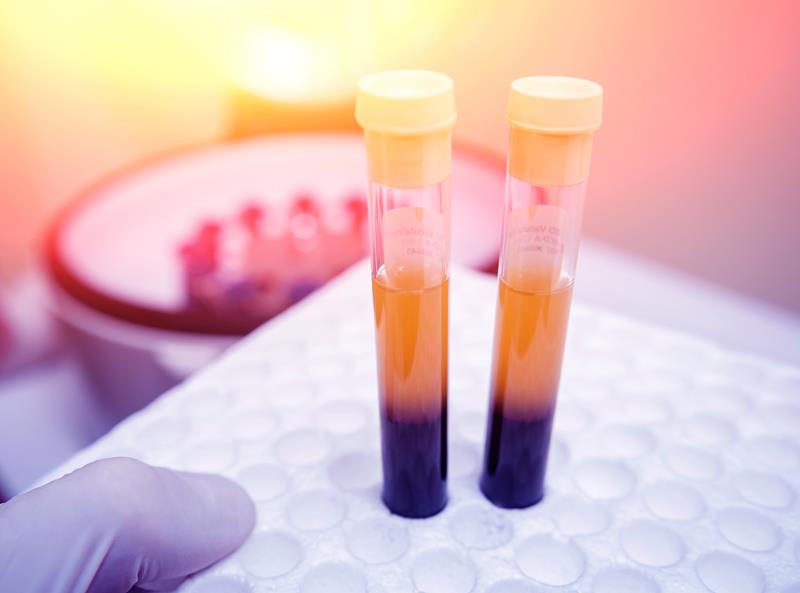
The sample spins in a centrifuge, which separates red and white blood cells from the platelets and plasma. The result can hold up to 10 times the platelets normally available to an injury.
Targeted Injection
The platelet-rich plasma is injected into the joint, tendon or soft tissue that is causing your pain.
What is platelet-rich plasma?
Platelets are best known for helping blood clot, but they also carry growth factors, the signals that tell the body to repair damaged tissue. Plasma is the liquid part of your blood that carries them.
By concentrating platelets and delivering them straight to an injury, PRP gives tissue that heals slowly, like tendons and cartilage, far more of those repair signals than it would normally receive.
What conditions can PRP help?
Dr. Snowball uses PRP for a range of joint, tendon and soft tissue problems, including:
- Knee pain from osteoarthritis
- Knee ligament and meniscus injuries
- Rotator cuff and shoulder tendon injuries
- Hip tendinitis and labral tears
- Tennis and golfer’s elbow
- Recurring tendon injuries
- Sprains, strains and muscle tears
- Back and neck pain
She finds PRP especially useful for knee pain caused by arthritis and sports injuries.
Is PRP therapy safe?
PRP is made entirely from your own blood, so there is very little risk of an allergic reaction or rejection. Some soreness where the injection was given is common for a few days afterward.
What is recovery like?
Because treatment does not involve surgery, most patients return to normal activity the same week and build back up from there.
PRP works by supporting your body’s own repair process, so improvement tends to build gradually over the following weeks rather than overnight.
Can PRP be combined with other treatments?
Yes. PRP is often part of a broader plan that includes physical therapy to rebuild strength, EPAT shockwave therapy for stubborn tendon pain, and supporting care such as acupuncture. PRP is also one of several regenerative medicine treatments Dr. Snowball offers.
Schedule a Consultation
Find out whether PRP therapy is right for your joint or tendon pain. To schedule an appointment at Integrated Pain Solutions, call the office or book a consultation online today.